The Complete Guide to Window Shades: Roller, Cellular, Solar & More
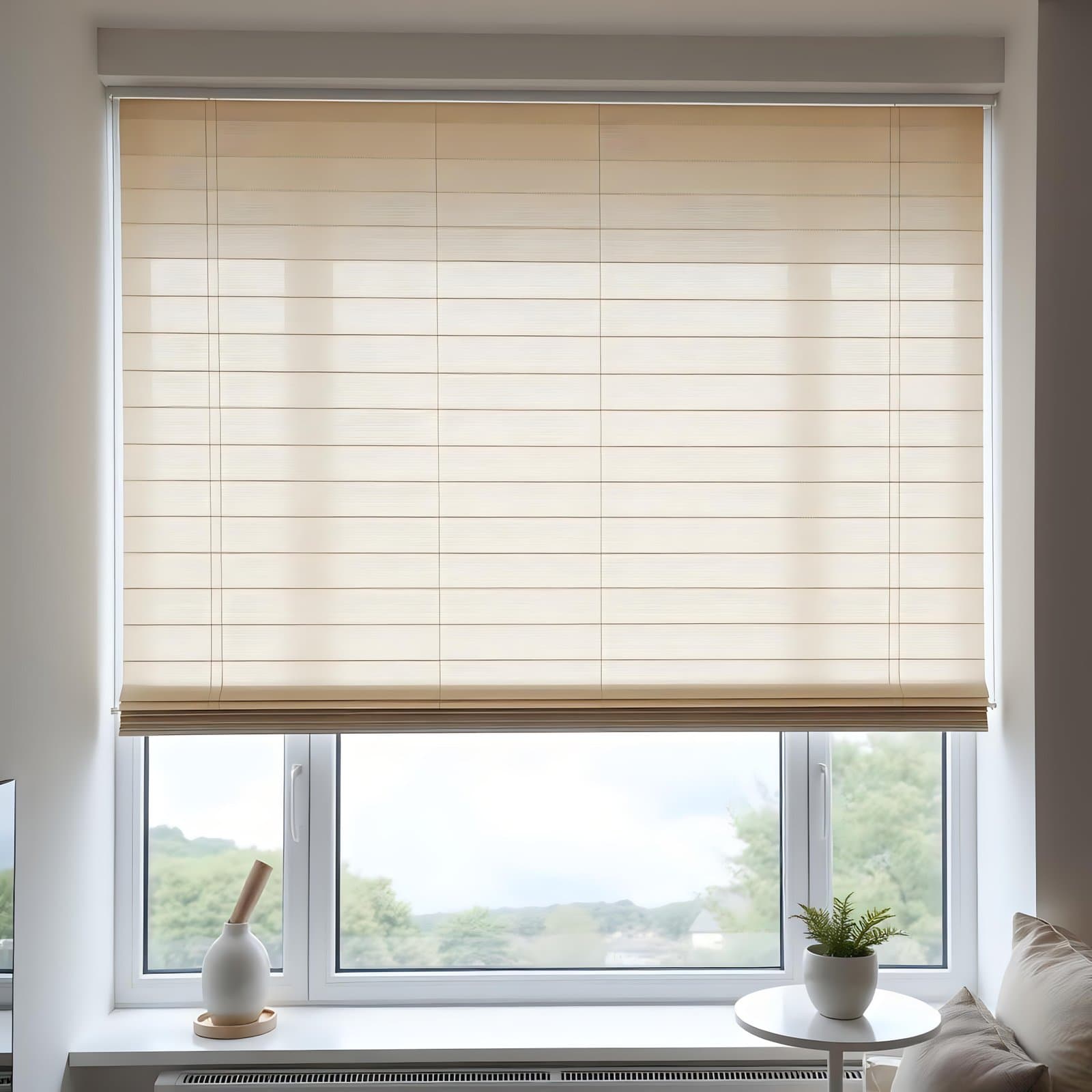
Choosing the right window treatment can make a big difference in how your home looks and feels. The right shades can help control sunlight, give you more privacy, reduce glare, and make your rooms more comfortable. They can also add a clean and finished look to your windows.
However, with so many types of window shades available, choosing the right one is not always easy. Roller shades, cellular shades, solar shades, Roman shades, and other options all have different features. Some are better for blocking sunlight, while others are designed to let natural light into your home.
If you are planning to buy new window shades, it helps to understand how each type works and where it fits best.
In this guide, we will explain the most popular types of window shades, their benefits, their differences, and what to consider before making a choice. Whether you want more privacy in your bedroom, less glare in your living room, or better light control in your home, this guide will help you find the right option.
What Are Window Shades?
Window shades are window coverings made from fabric or other materials that cover your windows. They can be raised or lowered to control how much light enters a room.
Unlike blinds, which usually have slats that can be tilted, most shades use a single piece of material. You can move the shade up or down to cover the window as much or as little as you need.
Window shades come in many styles, colors, fabrics, and designs. Some allow soft natural light to pass through, while others block most or all outside light.
They are a popular choice for homes because they offer a simple and clean look. They can also work with different interior styles, from modern and simple rooms to more traditional spaces.
Here are some common reasons homeowners choose window shades:
- Light Control: Adjust the amount of sunlight entering your room.
- Privacy: Cover your windows to keep indoor spaces private.
- Sun Protection: Help reduce direct sunlight on furniture, floors, and other items.
- Less Glare: Make it easier to watch TV or work near windows.
- Better Comfort: Some shades help reduce heat from direct sunlight.
- Style: Add color, texture, and a finished look to your rooms.
The best option depends on your windows, room needs, and personal style.
Types of Window Shades
There are several types of window shades available, and each one offers different features. Before buying, it is helpful to learn how they work and what makes each style different.
Let’s look at the most popular options.
1. Roller Shades
Roller shades are one of the most popular choices for modern homes. They are made from a single piece of fabric that rolls around a tube at the top of the window.
When you want to cover the window, you lower the fabric. When you want more sunlight, you roll it back up.
Their simple design makes them easy to match with many rooms and interior styles.
Benefits of Roller Shades
Roller shades offer several benefits:
- Simple Design: Their clean look works well in modern and traditional homes.
- Easy to Use: They can be raised and lowered without much effort.
- Many Fabric Choices: You can choose light-filtering, room-darkening, or blackout fabrics.
- Easy to Match: Available in many colors and patterns.
- Space Saving: Their simple design does not take up much visual space.
Where Should You Use Roller Shades?
Roller shades can work in almost any room.
For living rooms, light-filtering roller shades can soften sunlight while keeping the space bright. In bedrooms, blackout roller shades can help block outside light and create a darker sleeping space.
They are also a good choice for home offices because they can help reduce glare on computer screens.
Light Control Options
Roller shades are available in different fabric types:
- Light-Filtering: Allows soft natural light into the room.
- Room-Darkening: Reduces the amount of light entering the room.
- Blackout: Blocks most outside light when properly fitted.
If you want to learn more about this style, read our detailed guide: Roller Shades: A Complete Buyer’s Guide.
2. Cellular Shades
Cellular shades are also known as honeycomb shades because of their special design. When you look at them from the side, you can see small pockets or cells inside the fabric.
These cells trap air, which can help reduce heat transfer through your windows. This makes cellular shades a useful option for homeowners who want to improve indoor comfort.
They are available in different cell sizes, colors, and light-control options.
Benefits of Cellular Shades
Here are some reasons why homeowners choose cellular shades:
- Energy Efficiency: Their honeycomb design can help reduce heat entering or leaving through windows.
- Comfort: They can help keep indoor temperatures more comfortable.
- Privacy: Different fabric options offer different levels of privacy.
- Clean Look: They have a simple design that fits many home styles.
- Light Control: Available in light-filtering and blackout options.
Where Should You Use Cellular Shades?
Cellular shades are a good choice for bedrooms, living rooms, and other areas where indoor comfort matters.
If your bedroom receives strong sunlight during the day, cellular shades may help reduce some of the heat coming through the window.
They can also work well in rooms where you want a soft and simple window covering without adding heavy curtains.
Single Cell vs. Double Cell Shades
Cellular shades are commonly available in single-cell and double-cell designs.
Single-cell shades have one layer of air pockets, while double-cell shades have two layers. Double-cell options may provide more insulation, depending on the fabric and product design.
The right choice depends on your comfort needs, budget, and window size.
3. Solar Shades
Solar shades are designed to reduce sunlight and glare while still allowing you to enjoy the view outside.
They are made with a special screen-like fabric that filters sunlight. Unlike blackout shades, they do not completely block your view or make the room fully dark.
Solar shades are especially useful in rooms with large windows that receive strong sunlight.
Benefits of Solar Shades
Solar shades offer several useful features:
- Glare Reduction: Help reduce sunlight that makes screens difficult to see.
- UV Protection: Many solar fabrics help block a portion of harmful UV rays.
- Outdoor Views: Allow you to see outside while reducing direct sunlight.
- Modern Style: Their simple design works well in modern homes.
- Daytime Privacy: Depending on the fabric and lighting, they can provide some daytime privacy.
What Is Solar Shade Openness?
One important thing to understand when buying solar shades is the openness factor.
The openness factor tells you how much of the outside view and light can pass through the fabric.
For example:
- 1% Openness: A tighter fabric that blocks more sunlight and provides less visibility.
- 3% Openness: Offers a balance between sunlight control and outdoor views.
- 5% Openness: Allows more natural light and a clearer outside view.
- 10% Openness: Allows even more light and visibility.
These are common options, but the exact choices depend on the product.
A lower openness percentage generally provides more sun protection and less visibility. A higher percentage allows more light and a better view outside.
Where Should You Use Solar Shades?
Solar shades are a great option for living rooms, dining rooms, home offices, and rooms with large windows.
They can be especially helpful if you enjoy natural light but want to reduce glare while watching TV or working on a computer.
One thing to remember is that solar shades are not always the best choice when you need complete privacy at night. When indoor lights are on, people outside may be able to see into the room.
For better nighttime privacy, consider pairing solar shades with curtains or choosing another shade style.
4. Roman Shades
Roman shades are a popular option for homeowners who want a softer and more decorative look.
They are made from fabric that folds into neat horizontal layers when raised. When lowered, the fabric covers the window and creates a smooth appearance.
Roman shades can add warmth and style to a room without the need for heavy window coverings.
Benefits of Roman Shades
- Soft Appearance: Fabric folds give windows a warm and welcoming look.
- Many Designs: Available in different colors, patterns, and textures.
- Custom Style: Different fabric choices make it easier to match your home decor.
- Privacy: Fabric options can provide different levels of privacy.
- Versatile: They can work in both modern and traditional rooms.
Where Should You Use Roman Shades?
Roman shades are a good choice for bedrooms, dining rooms, living rooms, and guest rooms.
If you want your windows to become part of your room’s design, Roman shades can be a great option.
You can choose a simple fabric for a clean look or a patterned fabric to add more character to your space.
Keep in mind that fabric thickness affects how much light enters the room. If you need more light control, look for lined or room-darkening options.
5. Blackout Shades
Blackout shades are made to block outside light. They are a useful option for people who want a darker room for sleeping, resting, or watching movies.
They are available in different styles, including roller and cellular designs.
Blackout fabric can block most incoming light, but small gaps around the sides of the window may still allow some light to enter. Proper measurements and installation can help reduce these gaps.
Benefits of Blackout Shades
- Better Sleep Environment: Help make bedrooms darker.
- Less Outside Light: Reduce light from street lamps and outdoor areas.
- More Privacy: Provide strong coverage for windows.
- Media Rooms: Useful for rooms where you want less outside light.
- Different Styles: Available in several shade designs.
Where Should You Use Blackout Shades?
Bedrooms are one of the best places to use blackout shades.
They can also work well in nurseries, guest rooms, and home theaters.
If you work night shifts or prefer sleeping during the day, blackout shades can make your room more comfortable.
Before buying, check whether the product offers full blackout fabric or room-darkening fabric. These two terms are not always the same.
6. Light-Filtering Shades
Light-filtering shades are designed to let natural light enter while reducing direct sunlight.
They are a good choice if you do not want your room to feel too dark but still need some privacy and light control.
These shades soften the sunlight and can create a comfortable indoor setting.
Benefits of Light-Filtering Shades
- Allow soft natural light into the room.
- Help reduce harsh sunlight.
- Offer different levels of privacy.
- Keep rooms bright during the day.
- Work with many home styles.
Where Should You Use Light-Filtering Shades?
Light-filtering shades are useful for living rooms, dining areas, kitchens, and other shared spaces.
They are especially helpful if your room gets a lot of sunlight but you still want to enjoy a bright and open feeling.
If you need complete privacy at night, check the fabric carefully before buying.
7. Woven Wood Shades
Woven wood shades bring a natural look to your windows. They are usually made from materials such as bamboo, reeds, grasses, and other natural fibers.
Their texture adds warmth and gives rooms a relaxed and natural feel.
These shades are a popular choice for homeowners who like simple, nature-inspired interior designs.
Benefits of Woven Wood Shades
- Natural Look: Add texture and warmth to a room.
- Unique Style: Each material can have a different pattern and appearance.
- Versatile Design: Work well with many furniture and decor styles.
- Soft Light: Some woven materials allow filtered sunlight into the room.
Where Should You Use Woven Wood Shades?
Woven wood shades can look great in living rooms, dining rooms, bedrooms, and sunrooms.
They are a good option if you want your window coverings to add more texture to your home.
Some woven shades may need a privacy liner because natural materials can have small openings that allow light to pass through.
8. Pleated Shades
Pleated shades are made from fabric folded into small, neat pleats. They have a simple design and can be raised or lowered to cover your windows.
They are often chosen by homeowners who want a clean window covering without a bulky appearance.
Benefits of Pleated Shades
- Simple and neat design.
- Available in different colors.
- Help soften incoming sunlight.
- Suitable for different room styles.
- A good option for smaller windows.
Where Should You Use Pleated Shades?
Pleated shades can work well in bedrooms, living rooms, dining rooms, and other areas where you want a simple fabric window covering.
They are worth considering if you like the look of cellular shades but prefer a design without honeycomb pockets.
How to Choose the Right Window Shades for Your Home
Now that you know the different types of window shades, the next step is choosing the right one.
There is no single option that works best for every home. Your choice should depend on how you use each room, how much sunlight you receive, and the level of privacy you need.
Here are some important things to consider before buying.
1. Think About the Purpose of Each Room
Start by thinking about what happens in each room.
For example, a bedroom needs different window coverings than a kitchen or living room.
In bedrooms, privacy and light control may be your main concerns. In living rooms, you may want natural light without too much glare.
For home offices, reducing sunlight on computer screens can make working more comfortable.
Choosing shades based on the purpose of each room can help you avoid buying the wrong style.
2. Decide How Much Light You Want
Light control is one of the most important things to consider when choosing window shades.
Ask yourself how much sunlight you want in your room.
- Want natural light? Choose light-filtering shades.
- Want less glare? Consider solar shades.
- Want a darker room? Look at blackout shades.
- Want a balance of light and privacy? Explore roller or cellular shades with suitable fabric.
You should also consider which direction your windows face. Rooms with strong afternoon sunlight may need more sun protection than rooms that receive softer morning light.
3. Consider Your Privacy Needs
Privacy is important, especially in bedrooms, bathrooms, and windows facing streets or nearby homes.
Some shades provide better privacy than others.
For example, blackout shades can offer strong privacy when fully closed. Light-filtering shades may provide daytime privacy, but some fabrics can become more see-through at night when indoor lights are on.
Solar shades are also designed to reduce sunlight and glare, not provide complete nighttime privacy.
Always check the fabric and privacy level before you choose.
4. Check the Window Size and Shape
Not every window is the same. Some homes have large windows, while others have small or unusually shaped windows.
Before choosing a shade, measure your window’s width and height.
Also consider whether you want an inside mount or an outside mount.
Inside Mount: The shade fits inside the window frame. This gives the window a clean and simple look.
Outside Mount: The shade is installed outside the window frame. It can cover more of the window area and may help reduce light gaps.
Your window frame depth and design can affect which option works best.
5. Choose the Right Color
The color of your shades can change the look of your entire room.
Light colors such as white, cream, and beige can make a space feel bright and open. Darker shades can create a bold look and may suit rooms with darker furniture or decor.
Neutral shades are popular because they work with many interior styles.
If you want a simple design that will still look good when you change your furniture or wall colors, neutral window shades are a safe choice.
6. Think About Cleaning and Care
Different shade materials need different types of care.
Some fabrics can be cleaned with a soft cloth or a gentle vacuum attachment. Others may need more careful cleaning.
Before buying, check the manufacturer’s cleaning instructions.
If you have children or pets, you may also want to choose materials that are easier to clean and maintain.
7. Set Your Budget
Window shade prices depend on several factors, including:
- Type of shade.
- Fabric and material.
- Window size.
- Custom measurements.
- Manual or motorized operation.
- Special features.
- Installation needs.
It is a good idea to compare different options before making your final decision.
Instead of choosing only by price, think about the features you need and how long you want the shades to last.
Best Window Shades for Different Rooms
Choosing window shades becomes easier when you match the style with the room.
Here are some ideas to help you decide.
Best Window Shades for Bedrooms
Bedrooms are places where comfort and privacy matter most.
Blackout roller shades and blackout cellular shades are popular options because they help block outside light.
If you prefer a softer look, Roman shades with room-darkening fabric can also work well.
For bedrooms that receive a lot of direct sunlight, cellular shades may help improve indoor comfort.
Best Window Shades for Living Rooms
Living rooms are usually shared spaces where you want a balance of sunlight, privacy, and style.
Light-filtering roller shades can help keep the room bright without letting in too much direct sunlight.
Solar shades are another good option if your living room has large windows or strong sunlight.
Roman shades can be a great choice if you want to add more texture and style to the room.
Best Window Shades for Kitchens
Kitchen windows need coverings that are practical and easy to maintain.
Simple roller shades are often a good choice because they have a clean design and are available in different fabric options.
When choosing shades for a kitchen, consider how close the window is to the sink, cooking area, and other places where moisture or food splashes may occur.
Check that the selected material is suitable for the conditions in your kitchen.
Best Window Shades for Home Offices
A comfortable home office needs good lighting.
Too much direct sunlight can make computer screens difficult to see. Solar shades can help reduce glare while allowing you to enjoy the outside view.
Light-filtering roller shades can also work well if you want a brighter workspace.
Best Window Shades for Bathrooms
Bathroom windows need privacy, especially if they face nearby homes or public areas.
Choose a shade that offers enough privacy and is suitable for the moisture levels in the room.
Before choosing a fabric, check its care instructions and whether it is recommended for bathroom use.
Window Shades vs. Window Blinds: What Is the Difference?
Window shades and window blinds are both used to cover windows, but they have different designs.
Window shades are usually made from one piece of fabric or material. You raise or lower them to control light and privacy.
Window blinds usually have individual slats that can be tilted to change the amount of light entering the room.
Here are some basic differences:
| Feature | Window Shades | Window Blinds |
| Design | Usually one piece of fabric | Individual slats |
| Light Control | Raise or lower the shade | Tilt slats or raise blinds |
| Appearance | Soft and clean look | Structured look |
| Material | Fabric and other shade materials | Wood, faux wood, vinyl, and metal |
| Privacy | Depends on fabric type | Depends on slat position and design |
| Style | Modern, simple, and decorative | Modern and traditional |
Neither option is always better. It depends on your needs.
If you prefer a soft fabric look, shades may be a better choice. If you want to adjust light by tilting slats, blinds may suit you more.
Think about your room, windows, and daily routine before deciding.
Manual vs. Motorized Window Shades
Another decision to make is whether you want manual or motorized shades.
Both options can work well, but they offer different levels of convenience.
Manual Window Shades
Manual shades are operated by hand. Depending on the design, you may use a pull cord, chain, or cordless system.
They are a simple option for people who want basic window coverings without extra controls.
Benefits include:
- Simple operation.
- No need for electrical power.
- Different styles and fabric choices.
- A practical option for many standard windows.
Motorized Window Shades
Motorized shades use a small motor to raise and lower the fabric.
They can be controlled through a remote or, with compatible products, a smart home system.
Benefits include:
- Easy operation.
- Convenient control for hard-to-reach windows.
- Helpful for homes with many windows.
- Some systems support scheduled operation.
- A clean look without hanging pull cords.
Motorized shades may cost more than manual options, so consider your budget and how often you will use the feature.
How to Measure Your Windows for Shades
Getting the correct measurements is important when buying window shades.
If the measurements are wrong, your shades may not fit properly. They may leave unwanted gaps or fail to cover the window as expected.
Here are some basic steps to follow.
Measuring for Inside Mount Shades
Inside mount shades fit inside the window frame.
- Measure the inside width of the window at the top, middle, and bottom.
- Record all three measurements.
- Measure the height from the top to the bottom of the window frame.
- Check the depth of the window frame.
- Follow the measuring instructions provided for your selected shade.
Measuring for Outside Mount Shades
Outside mount shades are installed outside the window frame.
- Decide how much area you want the shade to cover.
- Measure the desired width.
- Measure the desired height.
- Make sure the shade will not block handles or other window parts.
- Check the product’s installation requirements.
Different products may have different measuring rules. Always follow the manufacturer’s instructions before placing an order.
If you are unsure, professional measuring can help you get the right fit.
Common Mistakes to Avoid When Buying Window Shades
Buying window shades may seem simple, but a few common mistakes can affect how they look and work.
Here are some things to avoid.
Choosing Only by Appearance
A shade may look beautiful, but that does not mean it is right for your room.
For example, a decorative Roman shade may look great in a bedroom, but it may not provide the same light control as a blackout shade.
Always consider both appearance and function.
Ignoring Privacy Needs
Some shades allow more light and visibility than others.
If your windows face a street or neighboring homes, check how much privacy the fabric provides during both day and night.
Not Measuring Correctly
Incorrect measurements can lead to poor fitting and unwanted light gaps.
Measure carefully and check the product requirements before ordering.
Choosing the Wrong Fabric
Different fabrics offer different levels of light control, privacy, and sun protection.
Think about your room’s needs before choosing a material.
Forgetting About Maintenance
Some materials need more care than others.
If you want an easy-to-maintain option, check the cleaning instructions before buying.
Not Considering Window Direction
A window that receives strong afternoon sunlight may need a different shade from one that receives very little direct sunlight.
Pay attention to how much sun each room gets throughout the day.
How to Keep Your Window Shades Clean
Regular cleaning can help keep your shades looking good for longer.
The cleaning method depends on the fabric and product type, so always check the manufacturer’s care instructions first.
Here are a few general tips:
- Dust Regularly: Use a soft cloth or suitable vacuum attachment to remove loose dust.
- Clean Carefully: Avoid using strong cleaning products unless the manufacturer recommends them.
- Check Stains: Treat small stains according to the fabric care instructions.
- Avoid Too Much Water: Some shade materials can be damaged by excess moisture.
- Handle Gently: Do not pull or force the fabric while cleaning.
Taking a little time to care for your shades can help keep them in good condition.
Are Window Shades Worth It?
Window shades can be a useful addition to almost any home.
They offer a simple way to manage sunlight, improve privacy, and make rooms look more complete.
The value you get depends on the type of shade you choose and how well it fits your needs.
For example, blackout shades may be worth considering if you want a darker bedroom. Solar shades may be a better choice if you want to reduce glare without losing your outdoor view.
Cellular shades may be worth looking at if you want an option that can help reduce heat transfer through your windows.
The best choice is one that fits your room, budget, and daily routine.
Find the Right Window Shades for Your Home
Choosing window shades does not have to be difficult. Once you understand the different styles and their features, you can make a choice that works for your home.
Roller shades are a great option for simple and clean window coverage. Cellular shades can help improve indoor comfort. Solar shades are useful for reducing glare while keeping your outside view. Roman shades add a softer look, while blackout shades help create darker rooms.
Before making your decision, think about how much light you want, how much privacy you need, your window size, and the style of your room.
At Venus Blinds, we offer window covering options to help homeowners find the right look and function for their spaces. Whether you are updating one room or planning window coverings for your entire home, choosing the right shades can make a real difference.
Ready to find the right shades for your windows?
Explore our collection and discover different styles, fabrics, and options for your home.
Browse Window Shades at Venus Blinds
You can also explore our Roller Shades: A Complete Buyer’s Guide to learn more about one of the most popular types of window shades.
Frequently Asked Questions About Window Shades
1. What are the most popular types of window shades?
Some of the most popular types include roller shades, cellular shades, solar shades, Roman shades, blackout shades, woven wood shades, and pleated shades. Each type offers different features for light control, privacy, and style.
2. Which window shades are best for bedrooms?
Blackout roller shades and cellular shades with blackout fabric are popular choices for bedrooms. They help block outside light and create a darker space for sleeping.
3. Are cellular shades better than roller shades?
Both options have their own benefits. Cellular shades have a honeycomb design that can help reduce heat transfer, while roller shades offer a simple design and many fabric choices. The right option depends on your needs.
4. What are solar shades used for?
Solar shades are used to reduce direct sunlight and glare while allowing you to keep an outside view. They are a useful choice for rooms with large windows and strong sunlight.
5. Do solar shades provide privacy at night?
Solar shades may provide some privacy during the day, but they usually offer less privacy at night when indoor lights are on. If nighttime privacy is important, consider pairing them with curtains or choosing another shade type.
6. Do blackout shades block all sunlight?
Blackout fabrics are designed to block most incoming light. However, small gaps around the sides of the window may still allow some light to enter. Proper measurements and installation can help reduce these gaps.
7. What is the difference between light-filtering and blackout shades?
Light-filtering shades allow soft natural light to enter while reducing direct sunlight. Blackout shades are designed to block most outside light and create a darker room.
8. Are window shades good for large windows?
Yes. Many shade styles can be used for large windows, depending on the product’s size limits and installation requirements. Solar and roller shades are common options for large window areas.
9. How do I choose the right color for window shades?
Choose a color that matches your room’s walls, furniture, and overall style. White, cream, and beige are popular choices because they work with many different interior designs.
10. How often should window shades be cleaned?
It depends on the room and the amount of dust they collect. Regular light dusting can help keep them clean. Always follow the manufacturer’s instructions for deeper cleaning.
11. Can window shades help reduce heat?
Some window shades can help reduce heat from direct sunlight. Cellular shades can also help reduce heat transfer through windows because of their honeycomb design. The results depend on the fabric, window, and installation.
12. Are motorized window shades worth it?
Motorized shades can be worth it if you want more convenience, have hard-to-reach windows, or need to control several shades easily. However, manual shades may be enough if you prefer a simple and lower-cost option.
13. What is the difference between inside mount and outside mount shades?
Inside mount shades fit within the window frame and give a clean look. Outside mount shades are installed outside the frame and can cover a larger area of the window.
14. Are window shades better than blinds?
Neither is always better. Shades offer a soft fabric look and are usually raised or lowered to control light. Blinds have slats that can be tilted to adjust sunlight. Your choice depends on your style and light-control needs.
15. Where can I buy window shades for my home?
You can explore different styles, colors, and options at Venus Blinds. Visit our window shades collection to find options for your home.